{ smart toilet seat }

  • Smart Toilet Seats Functions, Value, Definitions & Usage Guide

    In recent years, smart toilet seats have gradually become a staple in modern households, blending technology with daily hygiene to enhance the quality of life. Many people, however, still have questions about their functions, value, definitions, and usage. This article will comprehensively answer these key questions to help you better understand and choose smart toilet seats.
    electric toilet seat

    1. What Does a Smart Toilet Seat Do?

    A smart toilet seat is far more functional than a traditional toilet seat, integrating multiple intelligent features to optimize the toilet experience and improve hygiene. Its core functions include:

    •Warm Water Cleaning: This is the most basic and essential function. It usually offers adjustable water temperature (ranging from 30°C to 40°C), water pressure, and cleaning modes (such as front cleaning for women, rear cleaning, and mobile cleaning). The warm water can effectively clean the private area without relying on toilet paper, reducing irritation and improving hygiene.

    •Heated Seat: The seat temperature is adjustable, which is particularly useful in cold seasons. It eliminates the discomfort of sitting on a cold seat, providing a warm and comfortable experience.

    •Automatic Flushing: Many smart toilet seats are equipped with motion sensors or pressure sensors. They can automatically flush after use, avoiding the need to touch the flush button and reducing the spread of bacteria.

    •Air Drying: After cleaning with warm water, the air drying function uses warm air to dry the private area, further reducing the use of toilet paper and being more environmentally friendly.

    •Deodorization: Built-in deodorizing fans can quickly absorb and filter odors during and after use, keeping the bathroom air fresh.

    •Automatic Lid Lifting/Lowering: Some high-end models have infrared sensors. When a user approaches, the lid automatically lifts; when the user leaves, the lid automatically lowers and flushes, fully realizing hands-free operation.

    •Child Mode/Elderly Mode: Specially designed modes with lower water pressure and appropriate temperature to meet the needs of children and the elderly, ensuring safety and comfort.
    smart toilet seat

    2. Are Smart Toilet Seats Worth It?

    Whether a smart toilet seat is worth buying depends on individual needs, living habits, and budget, but overall, it offers significant value for most households, mainly reflected in the following aspects:

    •Improved Hygiene: Traditional toilet paper can only wipe the surface and may leave residues, while warm water cleaning is more thorough. It also reduces direct contact with bacteria, which is especially beneficial for women (during menstruation and pregnancy), the elderly, and people with hemorrhoids.

    •Enhanced Comfort: Heated seats, warm water cleaning, and air drying solve the discomfort of using the toilet in cold weather and the irritation caused by toilet paper, greatly improving the toilet experience.

    •Convenience and Intelligence: Hands-free functions such as automatic lid lifting, automatic flushing, and remote control (via a panel or mobile app) make use more convenient, especially for people with limited mobility.

    •Long-Term Cost-Effectiveness: Although the initial purchase cost of a smart toilet seat is higher than that of a traditional one, it reduces the long-term consumption of toilet paper. For households that pay attention to hygiene and comfort, the investment is worthwhile.

    Of course, if you have a very limited budget or rarely use the toilet at home, a traditional toilet seat may be sufficient. But for most families pursuing a high-quality life, a smart toilet seat is a worthwhile investment.
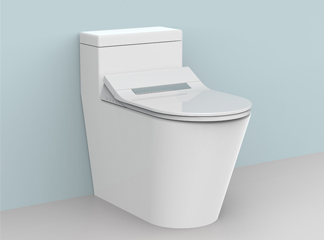
    intelligent toilet seat

    3. What Is an Automatic Toilet Seat?

    An automatic toilet seat is a type of smart toilet seat that focuses on "automatic operation" to realize hands-free use. It is a subset of smart toilet seats, with the core feature of using sensors (infrared, pressure, etc.) to replace manual operations.


    Common automatic functions include automatic lid lifting/lowering, automatic flushing, and automatic cleaning. For example, when you approach the toilet, the infrared sensor detects your presence and automatically lifts the lid; after you finish using the toilet and leave, the sensor detects that you have left and automatically lowers the lid and flushes. Some advanced automatic toilet seats can also automatically adjust the water temperature and pressure according to the user's habits.


    It should be noted that not all smart toilet seats are automatic. Some basic smart toilet seats only have functions such as warm water cleaning and heated seats, and require manual operation (such as pressing buttons to start cleaning). Automatic toilet seats are usually at a higher price point due to the addition of sensor technology.


    4. How to Use a Smart Toilet Seat?

    The use of a smart toilet seat is relatively simple, and the specific steps may vary slightly depending on the model, but the general process is as follows:

    Step 1: Install and Connect Power

    First, ensure that the smart toilet seat is correctly installed on the toilet (it is recommended to be installed by professional personnel). Then, connect the power supply—most smart toilet seats use a 220V power supply, and some have a built-in battery for wireless use. After connecting the power, turn on the main switch.

    Step 2: Familiarize with the Control Panel

    The control panel is usually located on the side of the toilet seat or comes with a remote control. The panel is marked with icons or text for various functions, such as "warm water cleaning", "heated seat", "air drying", "flushing", etc. Familiarize yourself with the function of each button first.

    Step 3: Basic Use Process

    •When using the toilet, if it is an automatic model, the lid will lift automatically when you approach; if it is a manual model, you can lift the lid manually.

    •After sitting down, you can adjust the temperature of the heated seat through the control panel (usually 3 levels: low, medium, high).

    •After using the toilet, press the "warm water cleaning" button, select the appropriate cleaning mode (front/rear/mobile), and adjust the water temperature and pressure according to your needs.

    •After cleaning, press the "air drying" button to dry the private area. You can also adjust the temperature of the drying air.

    •After finishing, if it is an automatic model, it will flush and lower the lid automatically when you leave; if it is a manual model, press the "flushing" button to flush, then lower the lid manually.

    Step 4: Daily Maintenance

    When cleaning the smart toilet seat, avoid using corrosive cleaners (such as bleach) and do not spray water directly on the control panel or power interface to prevent short circuits. Regularly check the water inlet pipe for blockages and clean the nozzle (some models have an automatic nozzle cleaning function).


    Conclusion

    Smart toilet seats, with their rich functions, bring a more hygienic, comfortable, and convenient toilet experience to households. Automatic toilet seats, as a high-end type of smart toilet seats, further enhance the intelligence of use through sensor technology. Whether they are worth buying depends on individual needs, but for most families, they are a valuable upgrade to the quality of life. By mastering the correct usage methods and doing a good job in daily maintenance, you can make full use of the advantages of smart toilet seats and enjoy a better life.
  • How to Install a Toilet Seat A Comprehensive Guide

    Installing a toilet seat may seem like a simple task, but doing it correctly ensures comfort, safety, and longevity. Whether you're replacing an old, worn-out seat or upgrading to a new style, this step-by-step guide will walk you through everything you need to know.


    ① Understanding the Components of a Toilet Seat

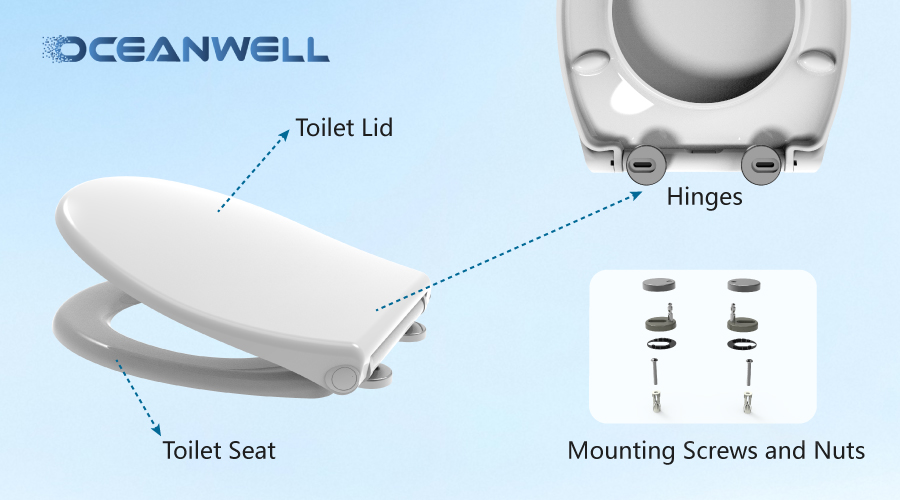
    A standard toilet seat assembly consists of several key parts:

    - Toilet Seat: The part you sit on, usually made of plastic, wood, or resin.

    - Toilet Lid: The cover that closes over the seat, often attached with hinges.

    - Hinges: Metal or plastic mechanisms that connect the seat and lid to the toilet bowl, allowing them to lift and lower.

    - Mounting Screws and Nuts: These secure the seat to the toilet bowl. They may be visible on top or hidden underneath the bowl.

    - Washers: Small rubber or plastic discs that prevent leaks and secure the screws tightly.


    ② Shape Classifications

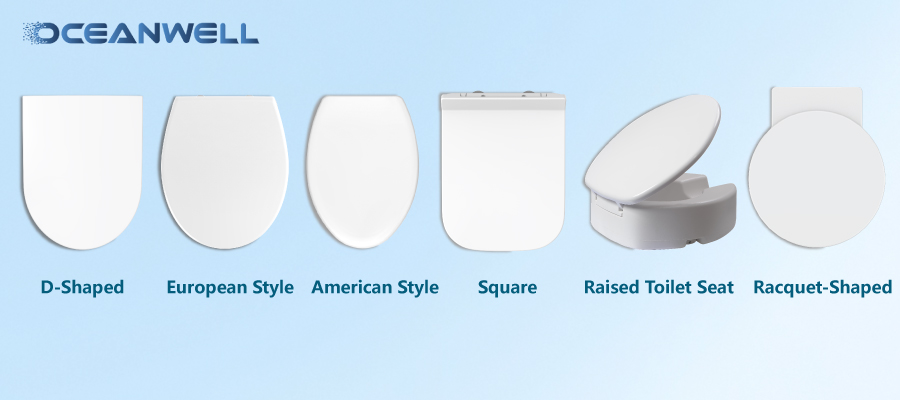
    Toilet seats come in various shapes to fit different toilet bowls. The most common include:

    - D-Shaped Toilet Seat: Resembles the letter "D," with a straight back and curved front. Popular in modern bathrooms.

    - European Style Toilet Seat Cover: Typically more compact and rounded, designed to fit European-standard toilet bowls.

    - American Style: Generally larger with a more elongated or oval shape, matching most American toilet models.

    - Square Toilet Seat: Features sharp, straight edges for a contemporary look, often paired with square toilet bowls.

    - Trapezoidal: Has a slightly tapered shape, wider at the front and narrower at the back.

    - Racquet-Shaped: Combines rounded edges with a subtle angular design, similar to a tennis racquet.


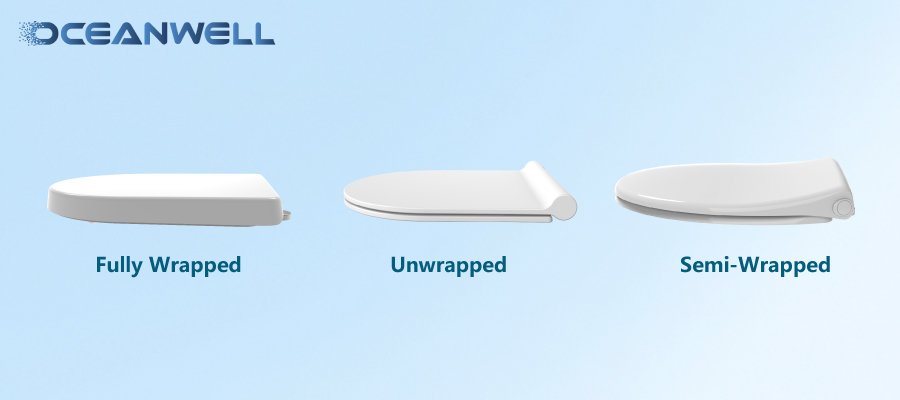
    ③ Differences Between Unwrapped, Semi-Wrapped, and Fully Wrapped Designs

    These terms refer to how the seat covers the toilet bowl's rim:

    - Unwrapped: The seat sits directly on the bowl's rim without extending over its edges. It’s simple but may leave more of the bowl exposed.

    - Semi-Wrapped: The seat partially covers the front edge of the bowl, offering a balance between coverage and simplicity.

    - Fully Wrapped: The seat completely covers the bowl's rim, providing a seamless look and better hygiene by reducing gaps where dirt can accumulate.


    ④ How to Choose the Right Toilet Seat

    Selecting the perfect toilet seat involves considering these factors:

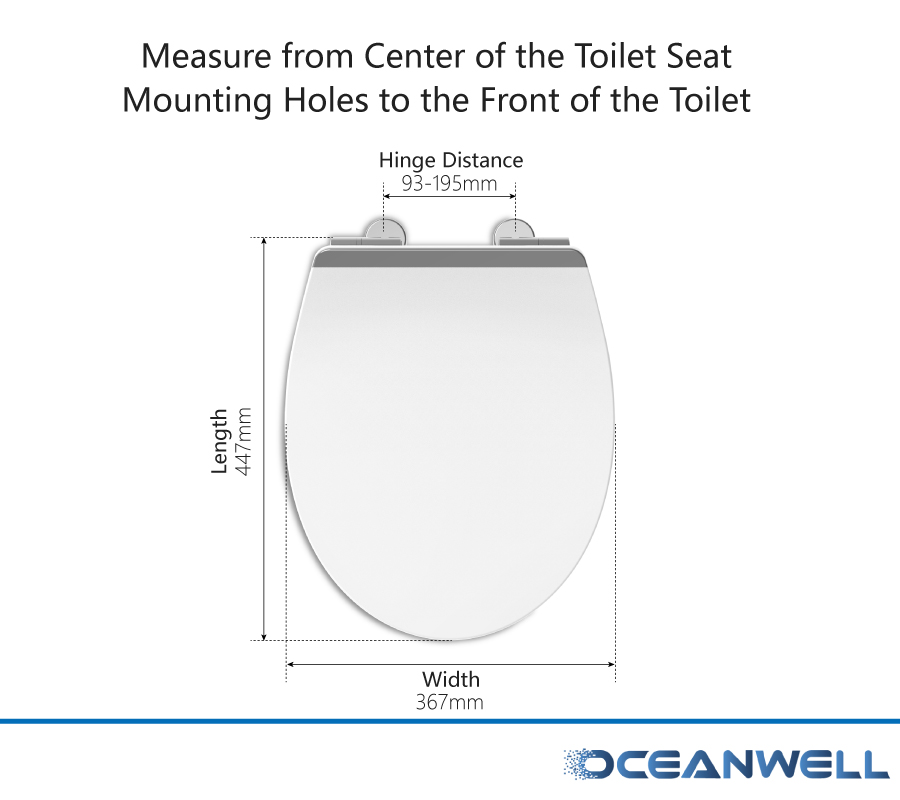
    - Measure Your Toilet: Check the length and width of your toilet bowl to ensure a snug fit. Measure from the bolts (where the seat attaches) to the front of the bowl.

    - Material: Plastic seats are affordable and easy to clean; wooden seats offer warmth and style; resin seats are durable and resistant to stains.

    - Features: Opt for soft-close hinges to prevent slamming, quick-release mechanisms for easy cleaning, or antibacterial materials for added hygiene.

    - Style and Color: Match the seat to your bathroom decor. White and off-white are classic, while bold colors or patterns can add a unique touch.

    ⑤ Essential Tools and Installation Steps

    Tools You’ll Need:

    - Screwdriver (flathead or Phillips, depending on the screws)

    - Adjustable wrench

    - Pliers (optional, for stubborn nuts)

    - Cleaning cloth

    - Mild cleaner


    Installation Steps:

    1. Remove the Old Seat:

    - Locate the mounting screws (either on top of the bowl near the hinges or underneath).

    - Unscrew the nuts (you may need to hold the screw from above while turning the nut below).

    - Lift off the old seat and lid.


    2. Clean the Area:

    - Wipe the mounting area with a mild cleaner to remove dirt, grime, and old residue.


    3. Align the New Seat:

    - Place the new seat on the bowl, ensuring the hinges line up with the mounting holes.

    - Insert the screws through the holes (from top to bottom).


    4. Secure the Seat:

    - Screw the nuts onto the bolts from underneath. Tighten them firmly but not too much to avoid cracking the bowl.

    - Check that the seat is level and doesn’t wobble. Adjust if necessary.


    5. Test the Seat:

    - Lift and lower the seat and lid a few times to ensure they move smoothly and stay in place.


    ⑥ Daily Care for Your Toilet Seat

    - Regular Cleaning: Wipe the seat with a damp cloth and mild soap weekly. For deeper cleaning, use a disinfectant spray or wipes.

    - Avoid Harsh Chemicals: Abrasive cleaners or bleach can damage the seat’s finish over time.

    - Check for Loose Screws: Tighten the mounting screws periodically to prevent wobbling.

    - Handle with Care: Avoid slamming the lid, even with soft-close hinges, to extend their lifespan.


    By following these steps and selecting a seat that fits your needs, you’ll enjoy a more comfortable, hygienic, and visually appealing bathroom. For advanced options, consider smart toilet seats with heated surfaces or bidet functions—just ensure they’re compatible with your bowl’s dimensions.


  • Smart Toilet Lids Make Every Use a Delight and Solve Hygiene and Cleaning Problems


    In the realm of modern bathroom innovation, smart toilet lids stand out as a game-changing upgrade that transforms an ordinary toilet into a hub of comfort, hygiene, and convenience. These advanced fixtures go beyond the basic functions of traditional lids, incorporating cutting-edge technology to address long-standing issues like poor hygiene, cumbersome cleaning, and discomfort during use. Whether you’re seeking to elevate your daily routine or future-proof your bathroom, smart toilet lids offer a blend of luxury and practicality that’s hard to overlook. In this comprehensive guide, we’ll explore the features, benefits, and transformative impact of smart toilet lids and why they’re becoming a must-have for homes and commercial spaces alike.


    The Evolution of Toilet Lids: From Basic to Brilliant

    Gone are the days when toilet lids served only as a functional cover. The journey from simple wooden or plastic lids to today’s smart models reflects a broader shift in bathroom design—one that prioritizes user experience and health. Early innovations introduced soft-close mechanisms and quick-release hinges, but smart lids take this further with electronic features, advanced materials, and intuitive controls. Let’s delve into the key advancements that define these intelligent fixtures:


    1. Hygiene Revolution: Beyond Traditional Cleaning

    Traditional toilet lids are often overlooked as a breeding ground for germs. Studies show that toilet lids can harbor millions of bacteria, including E. coli and Salmonella, due to frequent contact and moisture. Smart toilet lids tackle this head-on with features like:


    • Antibacterial coating: The antibacterial coating of the toilet is usually made of a variety of materials, including silver ion antibacterial coating, SIAA certified antibacterial material, UV ultraviolet disinfection function, and highly hydrophobic, low odor, flame retardant PP material to inhibit bacterial growth on the surface of the cover.
    • No-Touch Operation: Sensors allow the lid to open and close automatically, reducing physical contact with potentially contaminated surfaces.
    • Self-Cleaning Nozzles: Bidet nozzles retract into a sanitized compartment when not in use and undergo automatic cleaning before and after each use.


    2. Comfort Redefined: Luxury at Your Fingertips

    Smart toilet lids prioritize user comfort with customizable features that cater to individual preferences:


    • Heated Seats: Adjustable temperature settings ensure warmth during cold seasons, eliminating the shock of a cold seat.
    • Air Drying: After a bidet wash, warm air dryers replace traditional toilet paper, offering a gentle and eco-friendly finish.
    • Bidet Functions with Precision Control: Users can adjust water pressure, spray angle, and temperature, with options for pulsating or oscillating sprays to enhance cleanliness.


    3. Convenience and Innovation: Technology Meets Practicality

    Modern smart lids are equipped with intuitive controls, often via a remote or touch panel, making it easy to access features without complexity. Some models even integrate with smart home systems, allowing users to pre-set preferences or activate functions via voice commands. Additionally, features like nightlights provide subtle illumination for nighttime use, eliminating the need for harsh overhead lights.


    Key Features of Smart Toilet Lids: A Detailed Breakdown

    1. Bidet Systems: The Core of Hygienic Innovation

    Bidet functions are at the heart of smart toilet lids, offering a more thorough clean than traditional toilet paper. Here’s how they work:


    • Dual Nozzles: Separate nozzles for posterior and feminine washes ensure targeted cleanliness and prevent cross-contamination.
    • Temperature Control: Pre-warmed water ensures comfort, while adjustable pressure settings accommodate users with sensitive skin.
    • Eco-Friendly Impact: Reducing reliance on toilet paper saves trees and lowers household waste, making bidets a sustainable choice.


    2. Antibacterial and Self-Cleaning Technologies


    • UV Sterilization: Some lids feature UV-C lamps that sterilize the bidet nozzle after each use, destroying up to 99.9% of bacteria.
    • Auto-Cleaning Nozzles: Nozzles retract into a protective sheath and are flushed with water before and after each use, preventing residue buildup.


    3. Comfort-Enhancing Features


    • Heated Seats: Multiple temperature settings (e.g., low, medium, high) cater to seasonal needs, with some models remembering individual preferences.
    • Air Drying: Adjustable warm air dryers allow users to customize drying time and temperature, reducing reliance on paper and enhancing comfort.
    • Soft-Close Mechanism: Prevents slamming and reduces noise, extending the lid’s lifespan and ensuring quiet operation.


    Solving Common Hygiene and Cleaning Challenges

    1. The Problem of Germs and Cross-Contamination

    Traditional toilet lids are manually operated, meaning every use involves touching a surface exposed to airborne particles and splatter. Smart lids eliminate this risk with touchless operation, while antibacterial materials and UV sterilization ensure the lid remains a hygienic surface. For families with young children or elderly members, this reduces the spread of illnesses and provides peace of mind.


    2. Ineffective Cleaning with Toilet Paper

    Toilet paper alone is often insufficient for thorough cleaning, leading to discomfort and potential health issues. Bidet functions in smart lids provide a gentle yet effective clean, reducing the risk of irritation and promoting better personal hygiene. This is particularly beneficial for individuals with sensitive skin, hemorrhoids, or post-surgical needs.


    3. Cumbersome Maintenance and Cleaning

    Traditional toilet lids require frequent wiping to remove stains and germs, while hard-to-reach areas under the lid are often neglected. Smart toilet lids simplify maintenance with self-cleaning nozzles and smooth, non-porous surfaces that resist stains. Many models also feature quick-release hinges, allowing the lid to be removed for deep cleaning without tools.


    4. Environmental Impact of Toilet Paper

    The average household uses thousands of rolls of toilet paper annually, contributing to deforestation and landfill waste. Smart lids with bidet functions and air drying reduce toilet paper usage by up to 70%, making them an eco-conscious choice. Some models even incorporate water-saving features, such as low-pressure bidet streams and efficient flushing systems.


    Why Smart Toilet Lids Are Worth the Investment

    1. Long-Term Cost Savings

    While the initial cost of a smart toilet lid (ranging from $200 to $1,500) may seem high, the savings on toilet paper, cleaning supplies, and potential health costs add up over time. For a family of four, the annual savings on toilet paper alone can exceed $100, offsetting the investment within a few years.


    2. Enhanced Property Value

    Installing a smart toilet lid is a relatively affordable way to upgrade a bathroom, making it more appealing to modern homebuyers. Real estate studies show that homes with smart bathroom fixtures often command higher resale values and sell faster than those with traditional setups.


    3. Inclusive Design for All Ages

    Smart lids are particularly beneficial for elderly users or those with mobility issues, as touchless operation and remote controls eliminate the need for manual handling. Features like heated seats and adjustable bidet pressure also cater to individuals with arthritis or sensitive skin, enhancing accessibility and comfort.


    Addressing Concerns: Myths vs. Reality

    1. Myth: Smart Lids Are High Maintenance

    Reality: Most models are designed for low maintenance, with self-cleaning nozzles and stain-resistant surfaces. Regular cleaning only requires a damp cloth and mild soap.


    2. Myth: Bidets Are Uncomfortable or Messy

    Reality: Modern bidets offer adjustable pressure and temperature, ensuring a gentle and controlled experience. Air drying eliminates any residual moisture, leaving users feeling fresh and dry.


    3. Myth: Smart Lids Are Only for Luxury Homes

    Reality: With models available at various price points, smart lids cater to a wide range of budgets. Even basic models offer significant hygiene and comfort upgrades over traditional lids.


    Smart toilet lids are more than just a luxury—they’re a practical solution to age-old bathroom challenges. By prioritizing hygiene, comfort, and convenience, these fixtures transform daily routines into moments of care and innovation. Whether you’re looking to reduce cleaning hassles, improve family health, or add a touch of modern luxury to your space, a smart toilet lid is an investment that pays off in both functionality and quality of life. As water and energy efficiency become increasingly critical, these lids also offer a sustainable way to reduce waste and promote eco-conscious living. Embrace the future of bathrooms—one where every use is a delight, and hygiene is never compromised.


  • Smart Bidets Redefined Oceanwell's Advanced Hygiene & Comfort Solutions

    In an era where hygiene and sustainability define modern living, smart bidets have emerged as essential upgrades for homes and commercial spaces alike. Oceanwell, a leader in European bathroom solutions since 2004, combines cutting-edge technology with 20 years of expertise to deliver smart bidets and bidets that redefine comfort, cleanliness, and style.


    Unpacking Oceanwell’s Smart Bidet Features

    Our smart bidets are engineered to cater to diverse needs with features like:


    1. Dual Hygiene Modes

    o Rear Wash: Adjustable water temperature (31°C–39°C) and pressure for personalized comfort.

    o Female Wash: Gentle oscillating spray designed for intimate hygiene, with pulsating options for enhanced cleanliness.


    2. Advanced Spray Technology

    o Oscillating Spray: Wide-coverage cleaning with a 3-inch nozzle movement range.

    o Pulsating Spray: Targeted massage-like pulses to soothe discomfort and improve circulation.


    3. Smart Customization

    o Adjustable water flow rate (5 levels) and temperature remote control.

    o Nozzle Self-Cleaning: UV sterilization before and after each use eliminates 99.9% of bacteria.


    4. User-Friendly Enhancements

    o Soft night light for safe nighttime navigation.

    o Energy-saving mode reduces power consumption by 25%.


    5. Tailored Solutions for Global Brands

    Whether you’re a retailer, hotel chain, or startup, Oceanwell delivers OEM/ODM services tailored to your needs:

    • Custom Design: Adapt aesthetics (colors, finishes) and functionality (smart features, water pressure).

    • Fast & Cost-Effective: Streamlined processes and competitive pricing reduce lead times without compromising quality.

    • Dedicated Support: 24/7 technical assistance and R&D collaboration to solve challenges and drive innovation.


    6. Upgrade Your Space Today

    Ready to innovate your bathroom experience? Explore Oceanwell’s range of smart bidets and bidets, or contact our team to discuss custom OEM/ODM projects. With Oceanwell, luxury, sustainability, and reliability are guaranteed.