What Do Conditioner Importers Concern Most When Purchasing?
In the global trade of air conditioners, buyers normally care about not only the price but also the suppliers and products when they are selecting them.
For the air conditioner distributors and branding sellers, their concerns are whether the product suits the market stably and reliably and if the cooperation is continuous.
So, what do conditioner importers concern most when purchasing? Knowing the points will not only help the suppliers treat clients well but also help buyers to make reasonable decisions when purchasing.
I. Quality and reliability
For the importers, product quality is the most important key point. As the air conditioners are durable consumer goods, once the quality issue happens, then the after-sales service will cost and may even influence the brand's frame. So importers normally place deep concerns on the following:
Compressor brand and reliability,
Key components (electric control, fan motor, capacitor, etc.),
Lifespan and stability,
Systematic quality control of the factory.
Many buyers will ask for test reports and certificates from the suppliers. Stable quality is more attractive than a lower price.
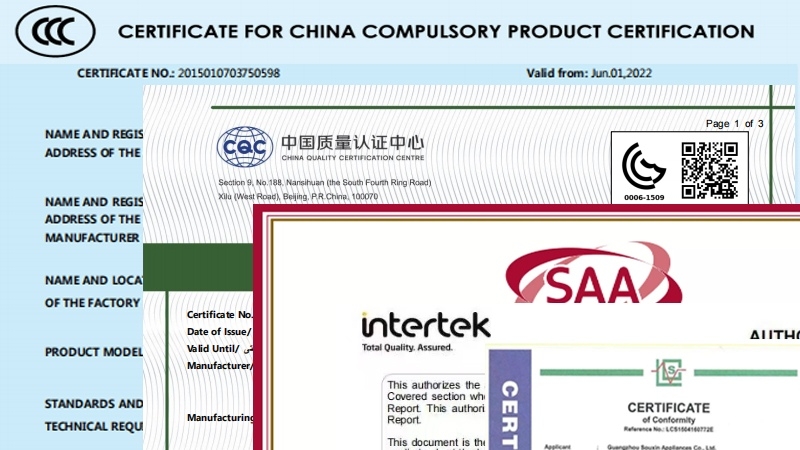
II. Whether the product comply with the local certifications
Different countries and regions have different regulations and certification requirements. Such as CE (European market), SASO (KSA market), GCC (Gulf countries), CCC (China), ERP (Europe), etc.
If the product is not certified accordingly, importers normally cannot complete the custom clearance and distribute it. So many importers will ask in advance:
Whether the product complies with local certifications,
Whether the product comply with the local voltage and frequency,
What's the energy efficiency class?
Suppliers with a complete certification system will more easily gain long-term cooperation opportunities.
III. Price and market competitiveness
Unit price is absolutely a key factor when purchasing, but importers normally concern themselves with market competitiveness instead of the lowest price.
They will check comprehensively:
The purchasing price,
Shipping and logistics costs,
Import tax,
Retail price and profit.
If the product has a stable quality and a reasonable price, the importers will build long-term resale channels in the local market more easily.
IV. Whether the production line is complete
Many importers want the supplier to provide the whole product series instead of a single model. Such as air conditioner capacities from 9000 BTU to 36000 BTU. Various markets need various models, such as inverter air conditioners (or non-inverter air conditioners), cooling-only air conditioners (or cooling heating), split air conditioners, floor standing airs, etc.
The more complete the production line, the easier it is for the importer to build unit branding and a stable supply in the market.
V. Delivery capability and supply stability
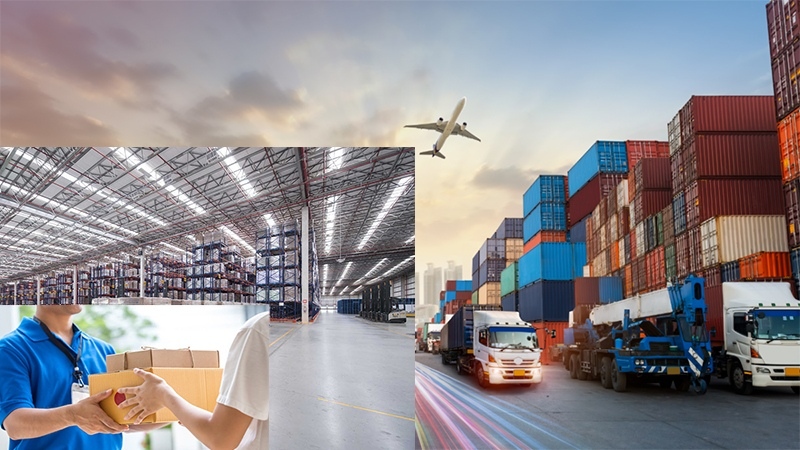
As for the importers, stable supply is essential as well. If the supplier cannot deliver the goods timely, it will lead to the following:
Lack of stock in peak season,
Tense relationship with distributors,
Decrease of market share.
In case of that, buyers will evaluate the suppliers on production capability, lead time, peak-season capacity, and raw-material supply stability. A stable supply chain is the vital basis of long-term cooperation.
VI. After-sales support and spare parts supply
There are unavoidable maintenance demands during the use of air conditioners, so after-sales support is also important.
Buyers are also concerned with the following:
Whether the spare parts supply is supported,
Whether technical guidance provided,
Whether the technical datasheet is offered,
Whether there is remote technical support.
A good after-sales system will help importers reduce maintenance costs and improve the end user's satisfaction.
VII. Cooperation modes and branding strategies
Different importers have different business modes, so the cooperation modes are different as well.
Common cooperation modes are as follows:
OEM production (using importers' brand),
ODM (products designed by importers),
Branding distributorship (deal as an agent of the supplier's brand).
At the initial stage, both parties will negotiate the following:
Whether there are market protection,
Whether there are marketing support,
Whether the brand is allowed to customize.
A reasonable cooperation mode will contribute to building a long-term and stable business relationship between both parties.
We are a professional air conditioner manufacturer in China. Should you have any other questions in the industry, please don't hesitate to reach us!