• Hidden Cistern with Injection-Molded HDPE An Ideal Choice for Modern Bathrooms

    In an era where every inch of bathroom space is precious, concealed toilet cisterns have become an indispensable part of modern bathrooms. They not only maximize usable space to create a more open and tidy visual effect but also solve many common bathroom troubles with a series of outstanding advantages, making them a top choice for homeowners, designers and contractors pursuing quality and comfort. Our injection-molded HDPE hidden cistern perfectly embodies all the core strengths of concealed cisterns, combining premium materials and humanized design to bring a better bathroom experience.
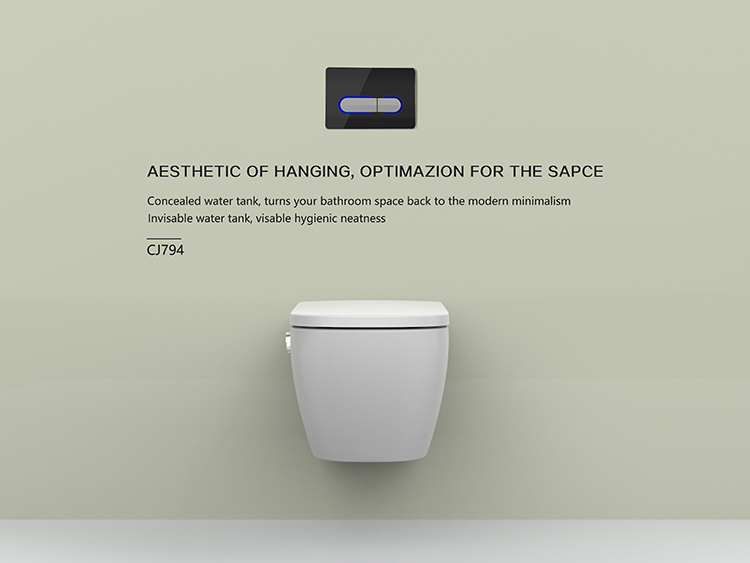
    concealed cistern


    Space utilization is one of the most prominent advantages of hidden cisterns. Traditional exposed cisterns are bulky and occupy valuable bathroom space, which is particularly impractical for small-sized bathrooms. In contrast, hidden cisterns are installed behind walls or furniture, freeing up more space for other functional arrangements. This space-saving feature allows even small bathrooms to become more spacious and bright, meeting the needs of people who want to pursue comfort without sacrificing functionality.


    In addition to space-saving, the fashionable and modern design of hidden cisterns also caters to the current minimalist aesthetic trend in bathroom decoration. With a sleek and smooth appearance, only the flush plate is exposed on the wall, creating a clean and integrated visual effect. This simple and elegant design not only enhances the overall grade of the bathroom but also endows it with a strong modern sense, whether it is a bathroom renovation or a new construction project, it can perfectly integrate into the modern interior style and become a highlight of the bathroom design.


    Durability and stable performance are also important reasons why hidden cisterns are favored. Our hidden cistern adopts high-quality injection-molded HDPE material, which is famous for its exceptional durability, chemical resistance and impact resistance, suitable for various environmental conditions. Crafted with professional injection molding technology, it ensures stable structure and uniform material density. At the same time, because the cistern is hidden behind the wall, it is not easily subject to external wear and tear, which further extends its service life, ensuring long-term reliable use.


    Quiet operation is another major advantage that distinguishes hidden cisterns from traditional exposed ones. Many people are troubled by the loud noise of traditional cisterns when flushing, which affects the comfort of the bathroom experience, especially in families with multiple people or shared bathrooms. The wall-concealed design of hidden cisterns can effectively reduce flushing noise, creating a quiet and peaceful bathroom environment, allowing people to enjoy a more comfortable and relaxed experience.


    Moreover, hidden cisterns are more convenient to maintain and clean. The simple and smooth surface of the bathroom, with fewer exposed pipes and components, greatly reduces the difficulty of daily cleaning, making it more time-saving and labor-efficient to keep the bathroom tidy. In addition, the flush plate of our hidden cistern is detachable, which allows quick access to the inside of the cistern for routine maintenance or necessary repairs, avoiding the trouble of complicated disassembly and assembly.


    To meet the diverse needs of different users, our injection-molded HDPE hidden cistern also provides a variety of optional functions. You can choose mechanical, pneumatic or sensor flush modes according to your usage scenario: sensor flush is more hygienic for public spaces, while mechanical and pneumatic modes are more simple and reliable for home use. We also reserve water and power connections for intelligent bidets, allowing you to easily upgrade your bathroom in the future without replacing the entire cistern, keeping your bathroom always in line with the trend of smart home.


    Choosing our injection-molded HDPE hidden cistern means choosing a practical, durable and fashionable bathroom solution. It integrates all the core advantages of hidden cisterns—superior space utilization, fashionable modern design, long-lasting durability, quiet operation and easy maintenance—while relying on the high-quality performance of HDPE material to bring you a more assured and comfortable use experience. Whether it is residential renovation, commercial space design or large-scale construction projects, it is an ideal choice for high-quality hidden cisterns. If you are looking for a high-quality hidden cistern that combines quality and practicality, our product is definitely your best choice.
  • Oceanwell Smart Toilets Your Ideal Win-Win Partner for the Booming European Sanitary Market

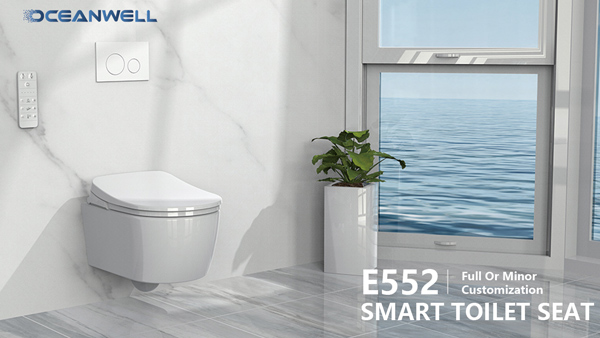
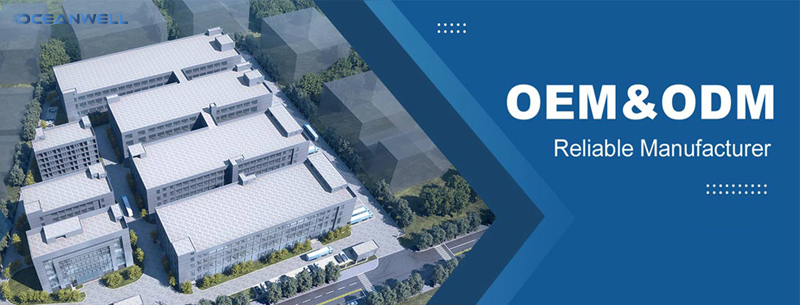
    Oceanwell smart toilet manafacturer

    As the European smart toilet market witnesses a booming growth with a 150% sales surge since 2021 and an accelerating shift to intelligent and sustainable sanitary consumption, Oceanwell (Xiamen) Industrial Co., Ltd. stands out as a professional and reliable Chinese manufacturer with nearly 20 years of export experience to Europe, bringing you tailor-made smart toilet solutions that perfectly fit European market rules, consumption habits and distributors' core demands.


    Founded in 2004, Oceanwell is a foreign-owned high-tech enterprise with 5 production bases, nearly 300 independent innovation patents and an ERP-integrated management system. Specializing in R&D and manufacturing of high-end sanitary products, our smart toilets have been supplied to top European enterprises for years, with our core competitiveness rooted in EU full compliance certification, market-adapted product quality, flexible customization and a stable supply chain—all the key elements that European distributors value the most.


    1. Full EU Compliance & Certification, Unimpeded Market Access

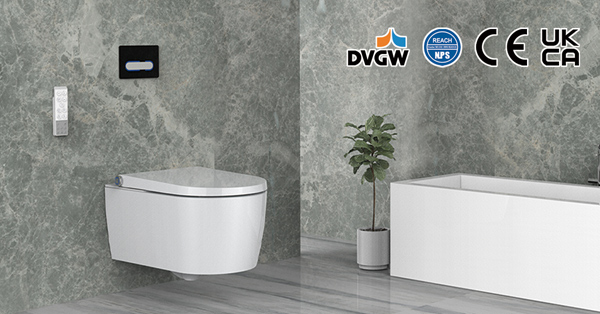
    We know that certification is the first threshold for entering the European market. All our smart toilets have passed the mandatory EU CE certification (including LVD low-voltage directive and MD mechanical directive), and fully comply with RoHS, REACH environmental regulations, strictly limiting the content of heavy metals and harmful chemicals in materials. In line with the European sanitary industry's strict technical standards, our products meet EN1717 anti-backflow standards to avoid sewage pollution, and comply with the ErP energy efficiency directive with EEE-level energy efficiency labels, perfectly matching Europe's carbon neutrality goals and water-saving policies. For regional market requirements, our products can also be adapted to local certifications such as Germany's DVGW, ensuring your unimpeded sales in all EU member states.

    eu certificate smart toilet

    2. Market-Adapted Hard Quality, Low After-Sales & High Durability

    Targeting European consumers' pursuit of health, simplicity and durability, our smart toilets abandon redundant functions and focus on core performance and long-term reliability—solving the biggest pain point of high after-sales costs for distributors.

    •Health & Sanitation: Adopt antibacterial glaze with 99% antibacterial rate and 304 stainless steel self-cleaning nozzles, meeting the European market's rigid demand for sanitary products derived from post-epidemic health awareness.

    •Adaptable Design: Equipped with water pressure-free flushing technology, it is perfectly suitable for the old water supply pipelines in European residential areas; the wall-hung and embedded models are designed for Europe's small household sanitary space trend, and the simple one-key operation meets the usage habits of European consumers of all ages, especially the elderly group accounting for more than 20% of Europe’s population.

    •Industrial Grade Durability: Core components are selected for high quality, with the seat ring passing 100,000 opening and closing durability tests; the whole machine has an IPX4 waterproof rating and three-proof circuit board, ensuring stable operation in Europe's humid bathroom environment for a long time.


    3. Customized Solutions, Adapting to European Regional Differences

    We fully understand the obvious consumption differentiation in the European market: Western European users pay attention to design aesthetics and embedded products, while Eastern European users focus on cost performance and core intelligent functions. Oceanwell provides flexible customized solutions for distributors to maximize your market share:

    •Configuration Customization: According to regional market demands, we can adjust product functions, such as adding hidden installation design for Western Europe and simplifying core flushing and heating functions for Eastern Europe to control costs.

    •Brand Customization: Support customized LOGO, panel design and product packaging to help you build your own regional brand advantage.

    •Modular Design: The product adopts a detachable modular structure, which conforms to the EU waste classification guidelines and reduces the maintenance cost of after-sales parts replacement.

    custom smart bidet toilet seat

    4. Strong Supply Chain & Exclusive Distributor Support

    As a medium-sized sanitary enterprise with 5 production bases and standardized production lines, Oceanwell has a strong supply capacity to meet your bulk procurement and urgent replenishment needs:

    •Favorable Cooperation Terms: Provide tiered quotation according to the procurement volume, with a reasonable profit margin reserved for distributors; implement strict price control and anti-channel conflict policies to protect your regional sales interests.

    •Comprehensive After-Sales Support: We have a professional after-sales team with core parts guaranteed for 5 years and the whole machine for 2 years; we provide exclusive dealer contact persons and technical training to solve your product sales and after-sales problems in a timely manner.


    5. Nearly 20 Years of European Cooperation Experience, Win-Win for the Future

    With nearly 20 years of experience in supplying high-end sanitary products to European top enterprises, Oceanwell is familiar with the European market's trade rules, logistics channels and consumer demands. We are not only a product supplier, but also your long-term win-win partner: we can provide professional technical support for your sales team training, and personalized marketing suggestions according to your regional market characteristics.


    The European smart toilet market is at the critical point from niche to mainstream, with huge penetration space and market potential. Choose Oceanwell, and with our EU-compliant products, market-adapted design, stable supply chain and exclusive distributor support, we will jointly seize the development opportunity of the European smart sanitary market and create greater commercial value together!

  • PP Toilet Seat VS UF Toilet Seat

    For B2B buyers (including bathroom product distributors, hotel procurement teams, real estate project purchasers, and wholesale suppliers), choosing the right toilet seat material is crucial to balancing cost, quality, market demand, and after-sales efficiency. PP (Polypropylene) and UF (Urea-Formaldehyde) are the two most widely used materials in the commercial toilet seat market. This blog focuses on B-end needs, explains the definition of UF toilet seats, compares the core differences between PP and UF from a procurement perspective, and provides practical suggestions to help you make cost-effective purchasing decisions.


    What Is a Urea Formaldehyde (UF) Toilet Seat?


    Urea Formaldehyde (UF) is a thermosetting resin synthesized by the chemical reaction of urea and formaldehyde. After molding and curing, it forms a hard, dense, and smooth surface with a ceramic-like texture—known as a "ceramic-feel" toilet seat in the market. As a thermoset material, it cannot be reshaped after production, ensuring excellent structural stability, heat resistance, scratch resistance, and stain resistance—key advantages for commercial scenarios with high usage frequency.


    The core value of UF toilet seats lies in their premium quality and low after-sales cost. Their non-porous surface is easy to clean and resistant to bacteria and mold, making them suitable for high-end scenarios such as star hotels, high-end residential projects, and healthcare facilities. With "never aging" performance, UF toilet seats reduce replacement frequency, lower long-term procurement costs, and meet the high-quality positioning of B-end customers.


    What Is a PP (Polypropylene) Toilet Seat?


    PP (Polypropylene) is a thermoplastic material that softens when heated and hardens when cooled. It is lightweight, flexible, and cost-effective, making it a mainstream choice for large-volume commercial procurement. PP toilet seats are highly impact-resistant—unbreakable even when dropped or hit—which is ideal for scenarios with high traffic and frequent use, such as budget hotels, rental apartments, public toilets, and affordable residential projects.


    For B2B buyers, PP toilet seats’ biggest advantage is their competitive price and high cost performance, which is suitable for bulk procurement with limited budgets. Most PP toilet seats are equipped with a soft-closing function, reducing noise and damage to the toilet bowl, and lowering maintenance costs. However, it should be noted that PP toilet seats have a service life of only 5-8 years, are prone to scratches and slight yellowing, and are more suitable for cost-sensitive B-end scenarios rather than high-end positioning.


    PP Toilet Seat vs UF Toilet Seat


    From the perspective of B-end procurement (focusing on cost, scenario adaptation, after-sales, and market positioning), we summarize the core differences between PP and UF toilet seats:


    PP Toilet Seat
    UF Toilet Seat
    Material Type
    Polypropylene, Thermoplastic (common plastic)
    Urea-Formaldehyde, Thermoset
    Texture
    Plastic & Flexible
    Ceramic-like & Hard
    Anti-Scratch
    NO YES
    Environmental Performance
    Non-degradable
    Natural degradation

    Item Type Name

    Toilet seat, toilet seat with soft-close mechanism and quick release function, white toilet lid,

    Quiet-Close Elongated Toilet Seat


    Cost & Bulk Price


    Low cost, competitive bulk price, suitable for large-volume, low-budget procurement
    Higher cost, premium bulk price; cost-effective for high-end positioning

    Final Suggestions for B2B Buyers


    For B2B procurement, there is no absolute "better" between PP and UF toilet seats—only "more suitable". UF toilet seats are the first choice for high-end positioning and long-term cost savings, while PP toilet seats are more cost-effective for mass-market and budget-sensitive scenarios. It is recommended to combine your target customer groups, project positioning, and procurement budget to choose the material; for mixed scenarios (e.g., a hotel with both premium and standard rooms), you can also adopt a combination procurement strategy to balance cost and quality.


  • The "Second Toilet" in European Bathrooms and Oceanwell Smart Toilet

    Bidet Toilet

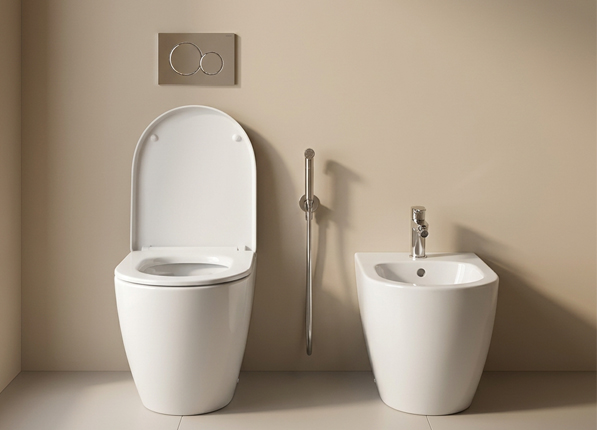
    Recently, "why are there two toilets in european bathrooms" has become a hot - searched term on the website. Presumably, many people are curious about it. In fact, the so - called "second toilet" here usually refers to the bidet.


    In Europe, bidets are common bathroom fixtures. People use them to clean the genital and anal areas after using the toilet, which can improve hygiene and comfort, and also help reduce the consumption of toilet paper. In countries like Italy and France, it is quite common to have a bidet in the bathroom. In some regions, there are even legal requirements that if there is a toilet in the bathroom, a bidet must also be installed.


    Smart Toilet

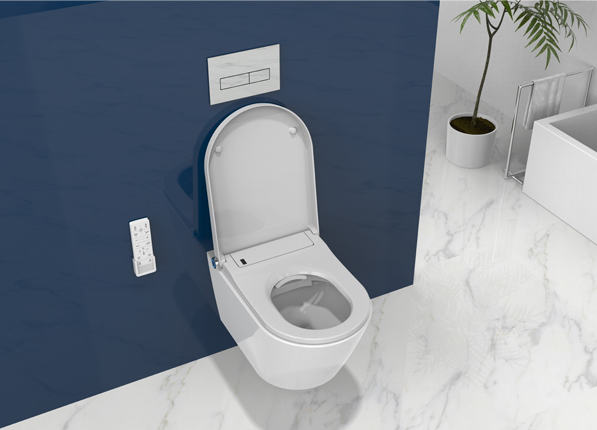
    However, with the development of technology, the functions of traditional bidets are gradually being replaced by some smart bathroom products. Oceanwell smart toilet is a case in point. Oceanwell smart toilet is equipped with an excellent buttock - and - feminine - wash rinsing function, which can perfectly meet the cleaning needs of a bidet.


    In terms of cleaning effect, the buttock - wash function of Oceanwell smart toilet has a concentrated and powerful water flow, enabling efficient cleaning. The feminine - wash function is designed according to the female physiological structure, using a more gentle and wider - swinging flower - shaped water flow, which makes users feel extremely gentle and comfortable. In addition, there is a moving - wash function. During the cleaning process, the nozzle moves back and forth to expand the cleaning range. Users don't need to adjust their sitting positions, and the cleaning is more comprehensive.


    In terms of comfort, the water temperature and water flow rate of this smart toilet are adjustable. Users can adjust them to the most suitable state according to their preferences and needs. Even in cold winters, they can enjoy a warm and comfortable cleaning experience. After cleaning, the drying function can be turned on, and both the air volume and air temperature can be adjusted, keeping the buttocks dry. The comfort level far exceeds that of traditional bidets.


    In terms of space utilization, traditional bidets need to occupy separate bathroom space. For some bathrooms with limited space, it will make the already narrow space more crowded. However, Oceanwell smart toilet combines the functions of a toilet and a bidet, eliminating the need to install a bidet separately. This greatly saves bathroom space and makes the bathroom layout more concise and reasonable.


    For B - end buyers such as traditional bidet purchasers, Oceanwell smart toilet is not only an innovative product but also a highly potential business opportunity. It can provide your customers with a more cost - effective and comprehensive bathroom solution, helping you stand out in the market competition.


    We sincerely invite you to learn more about Oceanwell smart toilet and experience the transformation it brings to the bathroom industry. You can contact us through [specific contact information]. Our professional team is always ready to answer your questions, provide product information and samples. Join hands with Oceanwell and jointly open a new era of smart bathrooms!

  • Global Air Conditioner Manufacturers Industry Landscape and Future Trends

    The air conditioning industry is undergoing an unprecedented development opportunity under the background of global climate change and the acceleration of urbanization. From traditional residential air conditioners to industrial cooling systems and the combination of intellectualization and energy-saving technologies, air conditioner manufacturers are now rebuilding the market landscape continuously.


    I. Overview of the global air conditioning industry


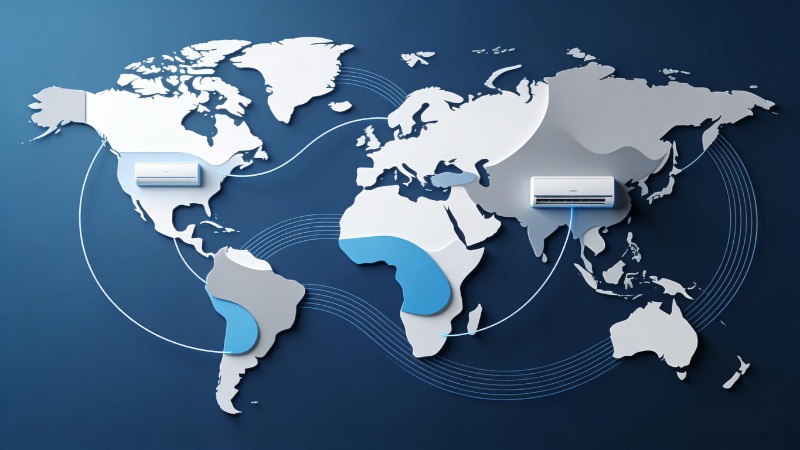
    Currently, the global air conditioning market is dominated by three major areas: Asia, Europe, and North America. In which the manufacturers from China, Japan, and South Korea have obvious advantages in production scale and the integration of supply chains, while European companies occupy the main position in high-end technology and brand reputation.

    With the swift increase of demand among emerging markets (such as Southeast Asia, India, the Middle East, and Africa), the air conditioners are converting from "luxury products" into "basic life necessities." This pushes the global manufacturers to expand production capacity continuously and optimize the product structure.


    II. Types of major air conditioner manufacturers


    1. Comprehensive home appliance giant

    This type of enterprise is normally equipped with complete production lines, ranging from residential air conditioners to commercial central air conditioning systems, obtaining powerful R&D capability and global channel networks.


    2. Professional HVAC companies

    They concern industrial and commercial fields, playing an important role in large building, data center, and fundamental equipment construction.


    3. Emerging technology-driven companies

    They stress intellectualization, the internet of things (IoT), and energy efficiency, improving users' experience through software and hardware.


    residential air conditioners


    III. Technical improvement trend


    1. Energy-saving and environmental protection

    With the progression of global carbon peak orientation, the industry is moving toward a destination with higher efficiency air conditioners and more eco-friendly refrigerants.


    2. Intellectualization and IoT

    Intelligent air conditioners can achieve remote control through mobile apps and adjust the operation automatically according to the environment.


    3. Modularization and customization

    The manufacturers provide more flexible solutions according to different scenarios, such as hospitals, data centers, and industrial workshops.


    IV. Supply chain and market competition


    In recent years, the raw material price fluctuations and global logistics challenges put stress on air conditioner manufacturers. They start to strengthen the localized production landscape to reduce risks in the supply chain. Meanwhile, competition between brands converts from price to technical and service abilities.


    V. How does KRG behave in the industry?


    Among those participants, KRG air conditioning gradually becomes an emerging power that is worth concern. In the integration of supply chain and zoning-market expansion, KRG behaved with stronger flexibility. Particularly in the middle-class market and customization field, KRG has advantages in the competition.


    Through strengthened quality control and cost-optimizing strategies, KRG had found itself in the fierce competitions. At the same time, the company is gradually laying out intellectualized technology to improve the additional product value and customers' experience.


    There are distances between KRG and the leading companies, but their development paths demonstrate a classic growth pattern of emerging manufacturers in the global air conditioning industry.


    VI. The future trend


    The global air conditioner manufacturing industry is now on a vital stage of conversion and upgrading. From traditional production to intellectual manufacturing, and from a single product to systematic solutions, every company is seeking a point of growth. No matter if it is the industrial giant or an emerging power like KRG, we are all playing an important role in the process.


    In the coming years, the air conditioning industry is moving forward in the following directions:

    Higher utilization efficiency of energy;

    Smarter intercommunication among users;

    More eco-environmentally manufacturing and the materials;

    More flexible global supply chain.


    As for the air conditioner manufacturers, only balancing the technical innovation, cost control, and market insight will let us stand out in the global competition.

  • Air Conditioner CBU vs. SKD/CKD Which One Is More Suitable for Your Market?

    In the international trade of air conditioners, importers usually face a vital decision: to import whole units (CBU) or parts to assemble (SKD/CKD)? This not only influences cost structure but also relates to the customs tax, brand strategy, and market competitiveness. The article is to clarify this issue from the perspective of business.


    I. What's CBU?


    "CBU" (completely built up or completely built unit) means products from the factory are complete units and sold directly.

    Features:

    Fully completed production and test;

    Ready to install and use;

    High level of standardization.


    Advantages:

    Easy operation, no need to assemble again;

    Stable quality (central quality control by the factory);

    Quick entrance to the market;

    Fewer quality issues.


    Disadvantages:

    High import tax normally;

    Limited space for branding distinctiveness;

    Less profit space.


    Suitable partners:

    Newly established importers;

    Distributors and contractors;

    Small batch of trial orders.


    II. What's SKD/CKD?


    SKD: Semi Knocked Down;

    CKD: Completely Knocked Down.


    Features:

    Accessible to assemble in destination countries;

    Available to design and produce locally.


    Advantages:

    Low importing tax (governmental support on local assembly);

    High-profit space;

    Access to build local brands;

    Access to get political support (such as a tax discount).


    Disadvantages:

    It requires a factory and assembly lines;

    The quality requires local management;

    High initial investment.


    Suitable partners:

    Importers with local resources;

    Buyers pursue branding;

    Companies with long-term market strategies.


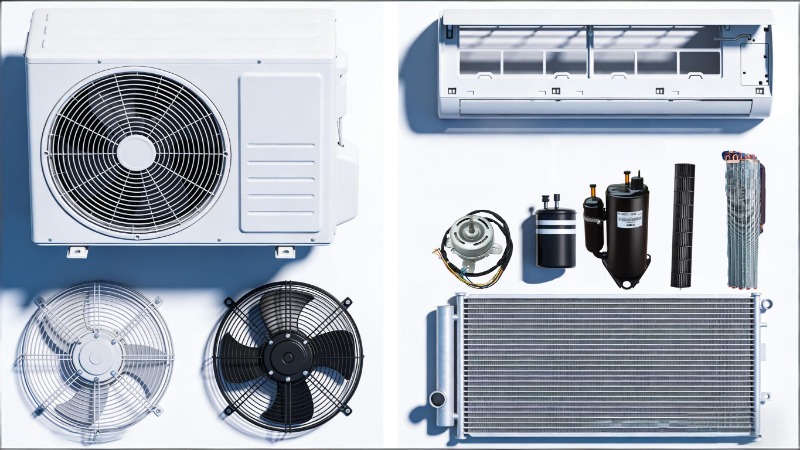
    Air conditioner SKD kits


    III. Best options for different markets


    Middle East (e.g., KSA/UAE)

    Recommend: SKD/CKD;

    Tax policies support local assembly;

    High demand of air conditioning units

    Suitable for building a long-term brand.


    Africa (e.g., Nigeria/Kenya)

    Recommend: SKD and CBU combination;

    Early stage: Complete units entering the market first;

    Late stage: Convert to SKD to lower the cost.


    South America

    Recommend: CKD;

    Complex tax policies;

    Local assembly is more advantageous.


    Europe

    Recommend: Complete units;

    Complex certification policies;

    Much stress on product consistency.


    IV. What can KRG provide?


    As an export-oriented manufacturer, KRG provides:

    Complete bult units supply;

    SKD/CKD solutions;

    Multiple certificates (CE/GCC/SASO/ISO);

    OEM/ODM branding;

    Various market adaptations (220V60Hz, 110V60Hz air conditioners, T3, R290, Inverter, etc.)

    We can help customers convert from importers into brand owners.


    V. When should you convert from CBU to SKD?


    When there are signs below, you will need to take actions:

    Increasing purchasing demand year by year;

    Tax occupies large portion of total cost;

    Eager to build a self-owned brand;

    Able to assemble locally.


    There's not a business model that's absolutely better, but a strategy more suitable for your market. It is not recommended to go "all in SKD" and "stop in complete units." The best way is to start with complete units, transit with SKD, and finally build local brands.


  • How to Select Air Conditioner for Hotel and Apartment Projects?

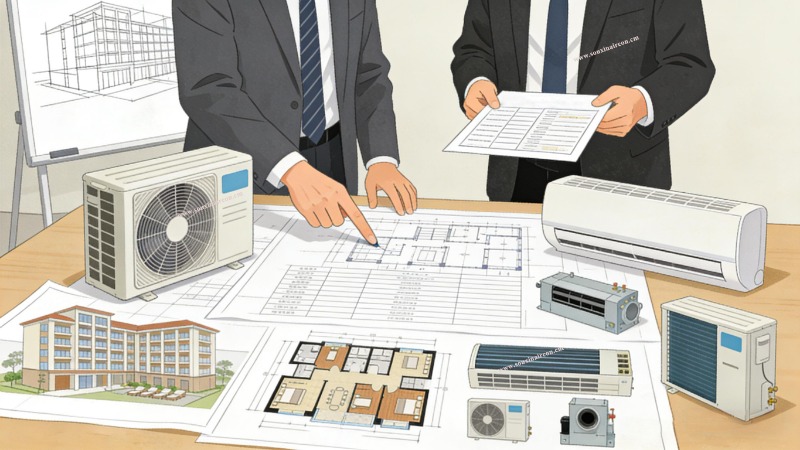
    In real estate projects like hotels and apartments, an air conditioning system not only influences the comfort of guests but also relates to the cost of investment and operation and the maintenance efficiency. For the building developers and project contractors, choosing a proper air conditioning system is a technical decision that requires comprehensive consideration.

    This article will analyze the key factors that need to be considered when choosing air conditioning equipment for hotels and apartments from the perspective of practical engineering applications.


    I. Confirm the type of project: hotel or apartment


    Though the hotels and apartments have similarity in building structure, the utilizing modes are obviously different.

    Hotel project features:

    Frequent use of rooms with high turnover;

    High pursuit for comfort;

    Centralized management of appliances at front desk or backstage;

    Long-period operation of air conditioners.


    Apartment project features:

    Fixed users;

    Concerning on unit price and maintenance cost;

    Individually controled air conditioners;

    Less demand for centralized management.


    II. Common air conditioning systems


    1. Split air conditioning system


    The split system is one of the most widespread air conditioning systems, particularly in small and medium hotels and apartments.

    They have advantages including a small initial investment, simple installation, easy maintenance, and individual unit control.

    But if the amount increases, there will be many outdoor units hanging outside of the building, which brings difficulty for the management of the exterior wall.

    They are suitable for economic hotels, apartments, and renovation projects.


    2. VRF/VRV


    Variable refrigerant flow (VRF) or variable refrigerant volume (VRV) systems are more and more popular among middle- and high-class hotels and service-driven apartments.

    They can connect multiple indoor units to one outdoor unit with a high EER, enabling central management.

    But the initial cost for the system is high, and the installation and design are complex, which requires high-quality installation.

    They are usually adopted by 4-star and above hotels, service-driven apartments, and middle- and high-class commercial residential projects.


    3. Ducted air conditioning system


    Duct air conditioners are common solutions for many hotel projects, with both cost-effectiveness and beauty.

    They can hide inside the ceiling with high aesthetics, even airflow, and considerate comfort and a lower cost than a VRF system.

    But still, each room needs a system individually, and the maintenance will destroy the ceiling, which brings cost and complexity.

    They are suitable for commercial hotels, middle- and high-class apartments, and long-term rental apartments.


    III. Factors needs to consider when selection


    1. initial cost


    It includes the unit cost of air conditioners, installation costs, and the consumed material cost.


    2. Energy efficiency


    The air conditioning system is the most energy-consuming equipment in hotel buildings. High-efficiency air conditioners can obviously reduce operation costs in the long term.


    3. Maintenance and aftersales


    Hotel projects normally own dozens or hundreds of rooms, so the maintenance flexibility is very important.


    4. Building facade management


    If each room owns an individual air conditioning system, there will be too many outdoor units outside of the wall. Then the appearance of the building is a bit messy, and the noise is also a problem.

    In that case, many newly built hotels tend to use VRF systems and centralized air conditioning systems.


    5. Climate conditions


    Different countries, different climates, different air conditioner selections.

    Middle East: Requires air conditioning for high-temperature operation.

    Southeast Asia: Dehumidification is important.

    Europe: Greater emphasis on energy efficiency and environmental protection.


    It's not just a matter of unit price but a comprehensive consideration among initial cost, energy efficiency, installation, maintenance, and building design. A proper air conditioning system not only improves customer experience but also reduces the long-term operation cost. For developers and engineering procurements, a reasonable air conditioning system will significantly increase the overall value of the project.

  • What's the Difference Between 50Hz and 60Hz Air Conditioners?

    In the export and international trade of air conditioners, many customers may ask a question: What's the difference between 50 Hz and 60 Hz air conditioners? Are they compatible?

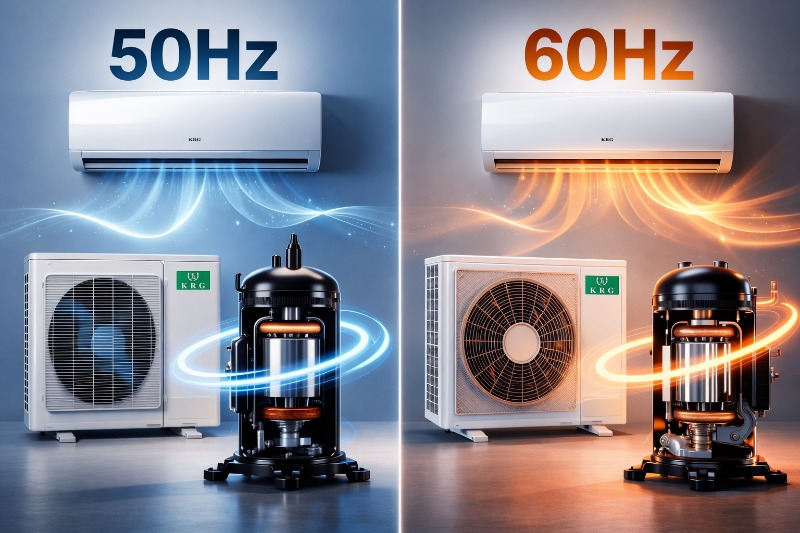
    Actually, Hz (hertz) refers to the frequency of the power grid. Different countries have different frequencies, which directly influence the compressor, motor speed, and the overall performance of the air conditioners. This is very important for air conditioner importers and buyers.


    I. What are 50Hz and 60Hz?


    The frequency of a power grid refers to the number of times the alternating current changes per second.

    50 Hz: It changes 50 times per second;

    60 Hz: It changes 60 times per second.

    Simply, 60Hz current changes faster than 50Hz.


    There are two major power grids in the world:

    50 Hz countries: China, Europe, the Middle East, Africa, Southeast Asia, etc.

    60 Hz countries: America, Canada, Japan, South Korea, the Philippines, part of Saudi Arabia, etc.


    II. Influences on the compressor speed


    Basically, an air conditioner compressor is motor-driven equipment, while the power grid frequency will directly affect the motor speed.

    The theoretical speed formula for an electric motor is: Speed ​​≈ 120 × Frequency ÷ Number of poles. So a 60Hz motor has a speed of 20% more than a 50Hz one.

    An improved motor speed will bring us the improvement of cooling capacity, cooling power, and energy consumption.


    III. Influences on the performance of air conditioner


    1. Cooling capacity


    A same-capacity air conditioner, converting the operation from 50 Hz to 60 Hz, will have its cooling capacity increase about 15%-20%.

    For example, the cooling capacity of a 12000 BTU air conditioner:

    At 50 Hz: around 12000 BTU;

    At 60 Hz: reach 13500-14000 BTU.


    2. Power consumption


    In case of the increase of compressor speed, the power input increases as well as the current.

    So the 60Hz air conditioner normally consumes more electricity during operation.


    3. Noise


    After the increase of compressor and motor speed, the vibration will increase, and the same will happen to the noise.

    But this is not obvious under modern air-conditioner technology.


    IV. Can we use a 50Hz air conditioner in 60Hz countries?


    There are three conditions:


    1. Fixed-frequency air conditioner


    If a 220V 50Hz air conditioner is connected to a 220V 60Hz power grid, it may lead to:

    Overspeed of the compressor;

    Higher current;

    Broken after long-term operation.

    It is not recommended for long-term use.


    2. 60Hz air conditioner used in 50Hz countries


    In the same voltage conditions, 220V 60Hz air conditioners can operate in a 220V 50Hz power grid, but the performance will change. The motor speed will decrease 16%-20%. This decrease may lead to:

    Decrease of compressor speed;

    Decrease of power output;

    Reduced burden on motor.


    3. Variable-frequency air conditioner


    Modern variable-frequency air conditioners (inverter air conditioners) have rectifier and inverter circuits inside the body. It converts alternating current into direct current, then generates a new alternating current frequency by inverter. Many inverter air conditioners can adapt to 50/60Hz.

    That's why many air conditioners are now labeled as 50/60 Hz.


    V. What are the points we should consider when purchasing air conditioners?


    1. Voltage

    110V, 220V, 380V, 440V.


    2. Frequency

    50Hz, 60Hz, or 50/60Hz.


    3. Power supply phase

    1 phase, 2 phases.

    A complete mark normally writes 220–240 V / 1 Ph / 50 Hz.


    The key difference between 50Hz and 60Hz air conditioners lies in the power grid frequency, which directly affects compressor speed and overall performance.

    With the development of inverter technology, more and more air conditioners are adapting to a 50/60 Hz dual-frequency power grid. This makes air conditioners easier to export.


  • How Does the Climate Conditions Affect the Air Conditioning Performance?

    During the selection and use of air conditioners, most people only concern themselves with the cooling capacity, energy efficiency, and the brand but omit a key factor—the climate conditions. Actually, temperature, humidity, altitude, and even the dusty environment will transparently influence the cooling performance, energy efficiency, and lifespan of air conditioners. As for the air conditioner importers, engineering contractors, and large project purchasers, understanding the relationship between the climate and the air conditioner performance is the vital basis for choosing proper equipment.


    I. High-temperature environment—the cooling ability may decreased


    In hot areas, such as the Middle East, Africa, or South Asia, the temperature in summer normally exceeds 45℃. Under such conditions, the outdoor unit needs to bring heat from indoors to a hotter outside, which apparently lowers the heat exchange efficiency.

    The influences mainly include:


    Decreased cooling ability: The higher the ambient temperature, the more burden the compressor loads.

    Increased energy consumption: The air conditioner will take more time to reach the set temperature.

    Increased compressing pressure: Long-term operation under such conditions may shorten the lifespan of the equipment.


    In case of that, for the high-temperature regions, many engineering projects will choose T3 air conditioners with resistance to high temperatures (about 52℃). These air conditioners have larger condensers with a wider heat-exchange area and higher-performance compressors. That's why the same 18000BTU split air conditioner in a tropical region will have a higher standard with higher cooling performance as well as a higher unit price.


    II. High-humidity environment:  it increases dehumidification burden


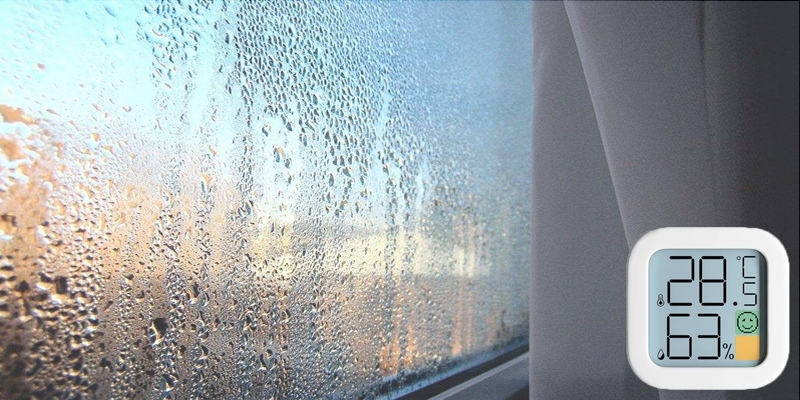
    In Southeast Asia, South America, and coastal regions, high humidity is common there. The air conditioners will cool the air temperature and dehumidify the air.

    Influences of humidity on air conditioners include the following:


    Increased burden for cooling: The air conditioners shall deal with visible heat and potential heat.

    Dehumidity ability is needed: The evaporator needs to be designed for higher efficiency.

    More condensate: The drainage system needs to be more reasonable.


    If the air conditioner has poor dehumidity ability, the users will feel muggy, sticky, and uncomfortable even if the temperature is not high. So the size of the evaporator and the design of airflow are important for high-humidity areas. Our KRG split air conditioners have dehumidification mode in all capacities; please inquire with us for more details.


    III. Low-temperature environment: it influences heating and defrosting


    In cold areas, air conditioners will face challenges when using a heat pump for heating due to the frosted outdoor unit.

    When the outside temperature is low and the humidity is high:


    The surface temperature of the outdoor unit heat-exchanger is lower than 0 ℃.

    The steam in the air will frost on the heat exchanger.

    The frost will affect the heat-exchange efficiency.


    At this moment, the air conditioner will defrost automatically:


    Stop heating temporarily.

    Reverse to operate heating to defrost.

    Back to normal heating


    If the control of defrosting is unstable, then:


    The indoor temperature will fluctuate.

    The heating efficiency will decrease.

    The energy consumption will increase.


    IV. Dusty and extreme environments


    In parts of the desert or dusty areas, air conditioners need to face the dust pollution problem.

    The dust will lead to problems below:


    Blockade on condenser,

    Decreased efficiency on heat exchanger,

    Increased load on the fan motor.


    To solve these issues, we can:


    Densify the fin structure of the condenser,

    Paint an anti-rust coating.

    Change designs into portable and washable parts.


    We are a professional air conditioner manufacturer; we can customize the product according to the client's specifications.


    V. High-altitude environment: the air density is low


    In high-altitude areas (such as parts of South America, Africa, and Central Asia), the air density is low, which also influences the air conditioning system.

    This will mainly influence:


    Lower heat-exchange efficiency on condenser,

    Higher discharge temperature on compressor,

    Lower working efficiency on the fan motor.


    Normally, the air conditioning efficiency will start to decrease when the altitude exceeds 1000 meters. Under such circumstances, we may need to change a larger condenser and increase the size or heating capacity of the equipment.


    Air conditioners are not a "globally standardized" product. The climate conditions directly determine the design, configuration, and performance of the air conditioning system. When we are selecting air conditioners for projects or purchasing wholesale, we must consider the local climate environment besides the price and brand. Only the products that suit the local climate conditions shall truly achieve a better cooling experience, lower operation cost, and longer lifespan.


  • What Do Conditioner Importers Concern Most When Purchasing?

    In the global trade of air conditioners, buyers normally care about not only the price but also the suppliers and products when they are selecting them.

    For the air conditioner distributors and branding sellers, their concerns are whether the product suits the market stably and reliably and if the cooperation is continuous.

    So, what do conditioner importers concern most when purchasing? Knowing the points will not only help the suppliers treat clients well but also help buyers to make reasonable decisions when purchasing.


    I. Quality and reliability


    For the importers, product quality is the most important key point. As the air conditioners are durable consumer goods, once the quality issue happens, then the after-sales service will cost and may even influence the brand's frame. So importers normally place deep concerns on the following:


    Compressor brand and reliability,

    Key components (electric control, fan motor, capacitor, etc.),

    Lifespan and stability,

    Systematic quality control of the factory.


    Many buyers will ask for test reports and certificates from the suppliers. Stable quality is more attractive than a lower price.


    II. Whether the product comply with the local certifications


    Different countries and regions have different regulations and certification requirements. Such as CE (European market), SASO (KSA market), GCC (Gulf countries), CCC (China), ERP (Europe), etc.

    If the product is not certified accordingly, importers normally cannot complete the custom clearance and distribute it. So many importers will ask in advance:


    Whether the product complies with local certifications,

    Whether the product comply with the local voltage and frequency,

    What's the energy efficiency class?


    Suppliers with a complete certification system will more easily gain long-term cooperation opportunities.


    III. Price and market competitiveness


    Unit price is absolutely a key factor when purchasing, but importers normally concern themselves with market competitiveness instead of the lowest price.

    They will check comprehensively:


    The purchasing price,

    Shipping and logistics costs,

    Import tax,

    Retail price and profit.


    If the product has a stable quality and a reasonable price, the importers will build long-term resale channels in the local market more easily.


    IV. Whether the production line is complete


    Many importers want the supplier to provide the whole product series instead of a single model. Such as air conditioner capacities from 9000 BTU to 36000 BTU. Various markets need various models, such as inverter air conditioners (or non-inverter air conditioners), cooling-only air conditioners (or cooling heating), split air conditioners, floor standing airs, etc.


    The more complete the production line, the easier it is for the importer to build unit branding and a stable supply in the market.


    V. Delivery capability and supply stability


    As for the importers, stable supply is essential as well. If the supplier cannot deliver the goods timely, it will lead to the following:


    Lack of stock in peak season,

    Tense relationship with distributors,

    Decrease of market share.


    In case of that, buyers will evaluate the suppliers on production capability, lead time, peak-season capacity, and raw-material supply stability. A stable supply chain is the vital basis of long-term cooperation.


    VI. After-sales support and spare parts supply


    There are unavoidable maintenance demands during the use of air conditioners, so after-sales support is also important.

    Buyers are also concerned with the following:


    Whether the spare parts supply is supported,

    Whether technical guidance provided,

    Whether the technical datasheet is offered,

    Whether there is remote technical support.


    A good after-sales system will help importers reduce maintenance costs and improve the end user's satisfaction.


    VII. Cooperation modes and branding strategies


    Different importers have different business modes, so the cooperation modes are different as well.

    Common cooperation modes are as follows:


    OEM production (using importers' brand),

    ODM (products designed by importers),

    Branding distributorship (deal as an agent of the supplier's brand).


    At the initial stage, both parties will negotiate the following:


    Whether there are market protection,

    Whether there are marketing support,

    Whether the brand is allowed to customize.


    A reasonable cooperation mode will contribute to building a long-term and stable business relationship between both parties.


    We are a professional air conditioner manufacturer in China. Should you have any other questions in the industry, please don't hesitate to reach us!